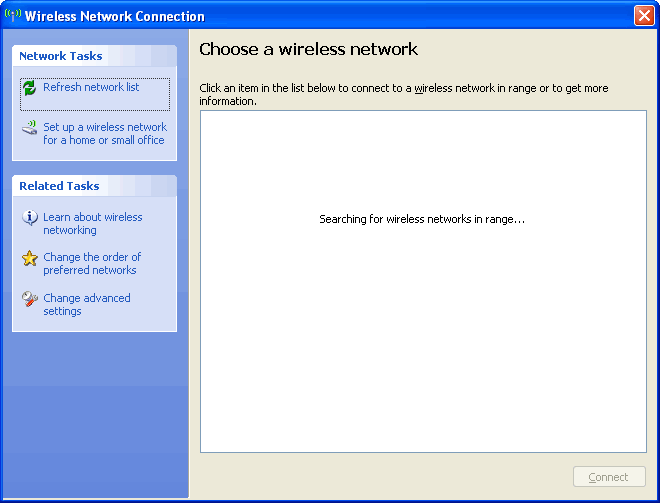
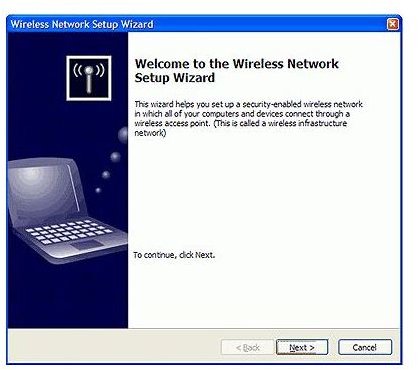
How to configure a wireless network with Windows XP Summary. You can quickly setup a wireless network using the wireless configuration feature in Windows XP. As an administrator responsible for a network of about dozens of computers or more, network boot Windows 7, Windows XP, Vista, Windows Server 20 will.
Setting Up Network Device Enrollment Service. If you have a large network with many network devices that need to be issued with a certificate that must also be trusted by Windows clients, Windows Server 2. R2’s Network Device Enrollment Service (NDES) provides a solution for issuing and managing certificates. SCEP is an Internet- Draft standard developed by Cisco Systems and submitted to the Internet Engineering Task Force thathelps solve the problem of manually requesting and installing certificates by enabling devices to enroll for x.
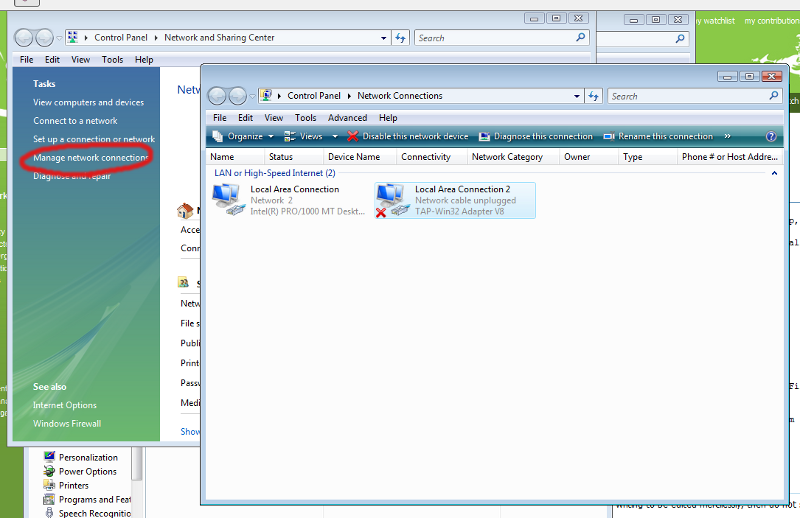
Wireless Router Configuration. Now we can start to configure wireless router, and I will use Linksys E1200 Wireless Router as an example. This router supports 802.11n. Configuring file and printer sharing behavior in Windows Vista consists of the following.
CA that supports SCEP. NDES in Server 2. SCEP add- on, such as the ability to renew certificates using a previously issued certificate to validate the request.

Distributing certificates to Windows OSs from an Active Directory (AD) enterprise Certification Authority (CA) is relatively simple and can be automated using Group Policy Certificate Autoenrollment after a PKI is in place. But to issue certificates to devices that don’t have accounts in AD, sysadmins must manually create Public- Key Cryptography Standards (PKCS) requests and install certificates on those devices. This can be a time- consuming task in organizations that have hundreds of devices that aren’t part of AD. This article provides an overview of how to set up NDES as part of an already existing PKI, and the steps for issuing a network device with a certificate. Due to the complexity of PKIs and the varying requirements for different scenarios, you should carefully study “Microsoft SCEP Implementation Whitepaper” for how to implement NDES. You should also test thoroughly in a lab environment before deploying NDES in your production environment.
SCEP in Windows Server. NDES is a native component of Server 2. Enterprise and Datacenter editions only) and later, and can be installed on a machine that’s running a standalone CA or on a dedicated server that communicates with an issuing enterprise CA.

The NDES server role shouldn’t be installed on a device that’s running the enterprise CA role, to minimize the attack surface and protect the CAs private key. NDES is intended for organizations that already have a PKI in place and want to issue certificates to network devices, such as routers and firewalls, to improve security by protecting network traffic with IPsec.
For example, this could include IPsec VPNs between routers or from notebooks to network edge devices. Not all devices support SCEP, so you should check with the equipment manufacturer. Previous implementations of SCEP were available in the Windows Server 2. Resource Kit or as a downloadable add- on for Windows 2. Server, but differ from what’s outlined in this article.
So if you’re working with versions of Windows earlier than Server 2. Microsoft’s website for details. You can download the add- on for Windows 2. Microsoft’s site. For additional information, check out the Windows IT Pro article “Setting Up a VPN that Uses Certificates,” Instant. Doc ID 4. 97. 38. NDES in Windows Server 2.


R2. Server 2. 00. R2 and Server 2. 00. SP2 include changes to NDES that let administrators more easily request and renew expired certificates.
Single Password Mode, which can be enabled on the NDES machine by setting the HKEY. Certificate renewal is enabled by default in Server 2.
R2 and Server 2. 00. SP2. Design Considerations. If your PKI consists of a standalone CA, it should be in an isolated certification hierarchy that serves only SCEP- enabled devices. The root CA shouldn’t be trusted by other devices on the network. If your organization uses Cisco equipment and Windows clients don’t need to trust network devices, you might be able to deploy a Cisco IOS Certification Authority server—a CA that runs on a Cisco device running Internetwork Operating System. Additionally, some devices have limited support for certain PKI configurations, including long encryption key lengths, subordinate CAs, and multi- tier PKI hierarchies. Standalone or Enterprise CA?
Implementing NDES with a standalone CA that’s dedicated to providing network devices with certificates might be better suited to situations where Windows clients aren’t required to trust network devices; for instance, where router- to- router VPNs will be configured with IPsec encryption. An enterprise CA and an NDES server might be more convenient if Windows clients need to trust network devices for the purposes of establishing VPN connections.
Setting up NDESLet’s install the NDES server role to communicate with an issuing enterprise CA. This is a typical setup where certificates are issued to network devices that will be trusted by domain- joined Windows clients. You’ll need an AD enterprise CA already in place, with a root CA configured and taken offline. Prerequisites. Before installing NDES, we need to create two domain user accounts: NDES. Add the NDES. To do so, log in to your issuing CA as a domain administrator.
Right- click the Certificate Templates folder and select Manage from the menu. The Certificate Templates MMC will open.
Additionally, we need to set permissions for NDES. The currently published templates will be displayed on the right. Next, we need to assign accounts appropriate permissions to the issuing CA.
Now we can install the NDES server role on a separate server. As I mentioned previously, NDES can’t be installed on the same machine as a CA. In the Windows Security dialog box, enter the username and password for the NDES. Set all three values to NDESIPSECIntermediate.
Offline, then close Registry Editor. The first step in the process of setting up a certificate is to generate a public/private key pair on the device. This procedure will vary depending on your equipment.
In Cisco IOS, the command might look something like this: crypto key generate rsa general- keys modulus 2. If you don’t specify the label switch in the crypto command, the name of the key pair defaults to the name of the network device. The key length, stated here as 2. Configure Cryptography for Registration Authority screen when NDES was set up. On the NDES server, log in using the NDES.
Enter the NDES admin page address http: //localhost/certsrv/mscep. You’ll be presented with a hash value for the CA certificate and an enrollment challenge password that’s good for 6.
Figure 5). The network device then needs to be configured to trust the enterprise CA. Again, this procedure is different for every device and you will need to refer the manufacturer’s instructions. When configuring the device to trust the enterprise CA you’ll need to specify the name of the key pair created earlier and the enrollment URL for the enterprise CA, http: //NDES1/certsrv/mscep.
Get. CACert& message=Network. Device. ID. SCEP calls to the NDES server are made via mscep. HTTP GET commands. In the URL above you can see the Get.
CACert command is issued to NDES. After the network device trusts the enterprise CA, we can issue a certificate request. Some devices require you to authenticate the enterprise as a separate step before you can issue a certificate request. You’ll also need the one- time enrollment password (OTP) issued by NDES to complete the request. If a value for the Key. Usage extension isn’t specified in the request, a default value of 0xa.
General. Purpose. Template as specified in the system registry. Other possible values include 0x. Signature. Template and 0x.
Encryption. Template. The enterprise CA will process the certificate request on behalf of NDES, which then issues the certificate to the network device. Complexity Worth the Trouble. You have now learned how to set up NDES as part of an already existing PKI. However, before you ever do so, you should read the Microsoft white paper I referenced at the beginning, and you should also test thoroughly in a lab environment before deploying NDES in your production environment.


/http%3A%2F%2Fdvmark.com%2Farticles%2Fimages%2Fimg6.jpg)
/http%3A%2F%2Fwww.theeldergeek.com%2Fvista%2Fimages%2FSP1%20Slipstream%2FTEG-0044.jpg)
/http%3A%2F%2Fwww.1selfcare.com%2Fwp-content%2Fuploads%2F2013%2F08%2FWin-Vista-Network-and-Sharing.png)
/https%3A%2F%2Forigin2.cdn.componentsource.com%2Fsites%2Fdefault%2Ffiles%2Fstyles%2Flightbox_full%2Fpublic%2Fimages%2Fproduct_screenshot%2Fimsidesign%2Fturbocad-pro-platinum%2Fimg_461793.png%3Fitok%3DC5aPjm7T)